
Flood-risk mortgage due diligence in NZ means checking the property’s hazard information, obtaining suitable insurance terms and confirming the lender accepts that specific home before you commit. For a Tauranga purchase, bring the council information, legal review and any specialist assessment together while you still have time to act on the answers.
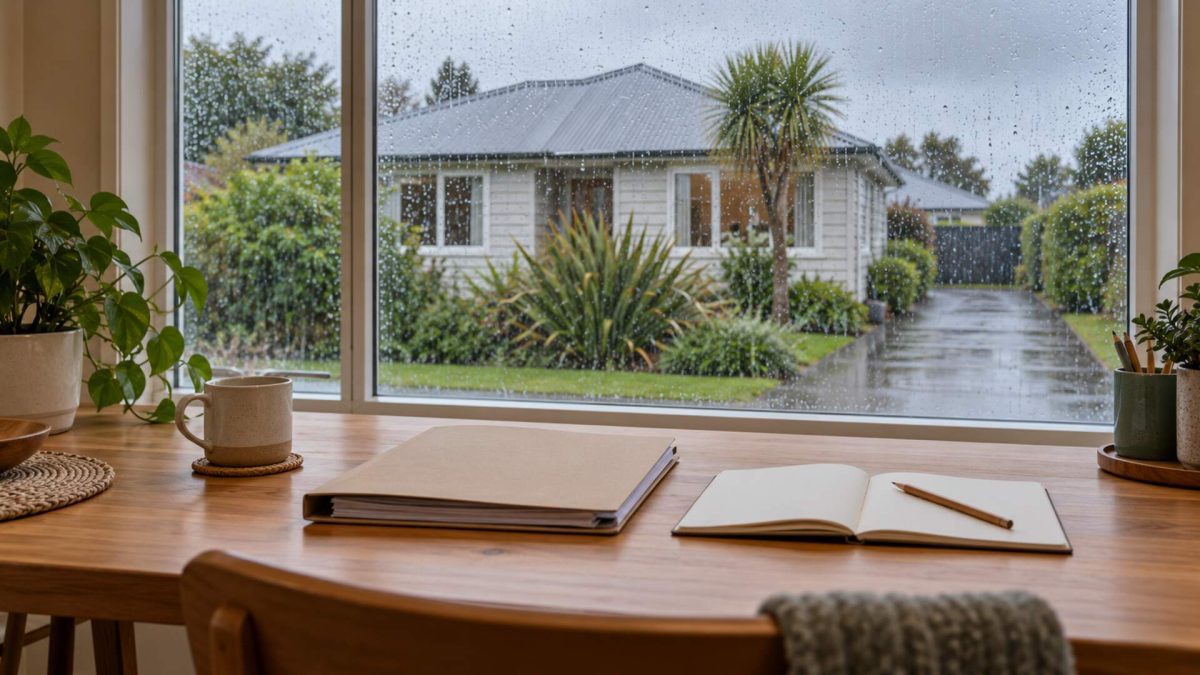
A house can look perfectly tidy on a sunny open-home day and still need more investigation. Equally, a shaded area on a council map needs explanation rather than a rushed conclusion. The useful question is what the evidence means for this property, your insurance and the finance you need.
If you’re buying your first home, I can help you work through the mortgage steps alongside your other checks. My first-home lending service explains that support. Legal interpretation, insurance advice and engineering assessments belong with the relevant professionals.
Flood-risk property checks should start with the exact address, current council information and questions about previous damage or repairs. Ask your lawyer to review the LIM and title, and discuss any concerns with the council and an appropriately qualified property specialist. A map, a seller’s explanation and a building report each provide different information.
Tauranga City Council’s flood maps model how water may move during intense rainfall, using information about the land and infrastructure. Some modelling includes future climate effects. Check which layer and scenario you’re looking at; a screenshot without its legend or assumptions can be misleading.
Use the address rather than the suburb as your starting point. If you’re comparing homes in Matua and Welcome Bay, each section needs its own checks. Neither location name establishes whether a particular house will flood or be accepted by an insurer.
Ask about previous water entry, insurance claims and completed repairs. Obtain the paperwork where available, including relevant consent records, and let your lawyer and inspector identify gaps. The separate guide to valuations and LIMs covers wider property-document issues; this guide stays focused on flood risk and its insurance and lending consequences.
A flood-risk mortgage due diligence checklist should record the evidence, who needs to review it and what remains unresolved before your purchase conditions expire. Keep one current set of documents, with written answers where possible. The table below helps separate the jobs so an answer from one professional isn’t mistaken for approval from another.
| Check | Who to involve | Useful question |
|---|---|---|
| Council maps and LIM | Council and your lawyer | What hazard information applies to this address, and what needs clarification? |
| Damage and repairs | Independent inspector; specialist if needed | What was damaged, what was repaired, and what can this inspection establish? |
| Proposed improvements | Council and qualified designer or engineer | Is the proposal suitable, and are consents or further assessments needed? |
| Insurance offer | Insurer or insurance adviser | What cover, exclusions, excesses and conditions apply to me at this address? |
| Property acceptance | Lender, with your mortgage adviser | Does the lender accept the property and the proposed insurance? |
| Purchase conditions | Your lawyer | What must be resolved before I become committed, and by when? |
Add dates and the person responsible to your own copy. If the insurer needs an engineer’s report, for example, the finance decision may depend on both steps. Tell your lawyer early if the available time is becoming too tight; don’t assume a contract deadline moves because a report is delayed.
A mortgage on a property with flood risk depends on the lender accepting the home as security, the insurance position and your wider application. There is no universal yes or no based only on a flood-map label. Give the lender the relevant information before relying on finance for an unconditional purchase.
Your borrowing pre-approval and the lender’s acceptance of the particular home are separate checks. An approval based on your income, deposit and commitments may still leave property conditions outstanding. Ask what reports, valuation information or insurance evidence the lender needs and whether any further conditions apply.
Insurance availability matters, but an insurance quote alone does not settle every lending question. Read the quote’s conditions and get the lender’s position confirmed. If the cover excludes a relevant risk, or the property needs further investigation, allow time for that to be considered rather than treating a policy price as a completed check.
For an auction, these questions need attention before bidding. For a conditional offer, ask your lawyer whether the actual agreement gives you the protection and time you need. A general finance condition should never be assumed to cover every concern about the property.
Ask the insurer to confirm whether flood damage is covered for your proposed purchase, what limits or exclusions apply, and when cover can begin. Give accurate information about the property and the concerns you’ve identified. The current owner’s policy does not establish the terms an insurer will offer you.
Discuss the building sum insured, applicable excesses and any cover for temporary accommodation. Ask what information the insurer needs about previous flooding, repairs or planned work. If an answer is unclear, request an explanation in writing rather than trying to interpret a sales summary yourself.
Building and land cover also need separating. For storm and flood damage, Natural Hazards Commission cover relates to defined areas of insured residential land, subject to its rules and limits. Damage to the house is addressed through the private insurance policy. Landslide cover works differently, so avoid treating all natural hazards as one interchangeable category.
Check the proposed cover with your lender and arrange its start date with your lawyer and insurer. Keep the accepted policy documents with your purchase records. Future renewal terms are not guaranteed by today’s quote, so include insurance reviews in your ongoing household planning.
Include the excess and possible temporary costs in your household emergency plan. Ask the insurer what happens if you cannot live in the home after an insured event. During a flood, follow official civil defence instructions and put personal safety ahead of trying to protect the building.
Changes to drainage, floor levels or flood barriers need advice suited to the site, the building and the way water moves around it. Ask the council and a suitably qualified specialist before committing to work. An improvement that looks sensible on one property can have different consequences next door.
There is no universal height for raising appliances or floors that a mortgage article can safely prescribe. Nor should a buyer assume that adding a drain, pump or barrier will remove the hazard, satisfy the lender or keep insurance valid. Have the proposed work assessed and its insurance implications confirmed.
Keep ordinary maintenance separate from alteration work. Arrange safe maintenance of existing gutters and drains, but get proper advice before redirecting water or changing ground levels. Where borrowing may be needed for recommended works, my construction and renovation finance page explains the lending conversation. A loan decision does not approve the design.
A buyer may need more time when one property check leads to another. Consider a hypothetical buyer in Welcome Bay whose inspector recommends further investigation of past water damage. The insurer then asks for repair information, while the lender wants the insurance position clarified.
The next step is to gather the missing evidence and have the right people assess it. An inspection appointment by itself doesn’t resolve the insurance question. The buyer should discuss the outstanding work and contract timing with their lawyer before confirming conditions. Depending on the findings, the purchase might remain workable, need different terms or no longer suit them.
This is an illustration, not a client case or a prediction of a lender’s answer. Its point is practical: write down the next question and who can answer it, rather than letting “someone is looking into it” stand in for a decision.
I can help coordinate the mortgage-related steps with your agent and lawyer while the property specialists do their work. I assess income, deposit and commitments before putting an application to a lender; a property concern then needs to be considered alongside that financial picture.
I particularly enjoy helping first-home buyers understand the wider purchase process. With a flood-risk question, that means making the lending requirements understandable without pretending to be the engineer, lawyer or insurer. You can read more about my background and approach and the support I provide as a Tauranga mortgage adviser.
If a report has raised a concern, bring the actual wording and the important dates to our conversation. I can help with the mortgage questions and coordinate the next lending step. Get in touch before you commit, while there’s still time to work through what the property information means for your finance.
This guide is general information. Obtain advice on your own purchase, insurance and any proposed building work.
No, a clear flood map does not guarantee that a home has no flood risk. Maps reflect their data, assumptions and the hazards they model. For a Tauranga purchase, check the LIM, ask about previous damage and discuss any gaps with the council and an appropriately qualified property specialist.
You should obtain your own insurance offer rather than rely on the seller’s existing policy. An insurer needs to assess your proposed cover and the property information you provide. Confirm exclusions, excesses, conditions and the start date, then check the proposed insurance meets your lender’s requirements before you become unconditionally committed.
I can help you understand the mortgage requirements, but assessing whether a flood-risk home is safe needs the appropriate property specialists. Bring the reports and purchase dates to our conversation. I can coordinate the lending steps while your lawyer, insurer and any engineer address the questions within their expertise.
The cost of extra flood-risk reports depends on who commissions them and any agreement reached with the seller. Ask for written quotes and clarify who can rely on each report. Include these investigation costs in your buying budget, and discuss contract timing with your lawyer before ordering work against a tight deadline.
Contact your lawyer and insurer promptly if flood damage happens between signing and settlement. Your agreement’s risk and damage provisions affect the next steps, so avoid assuming you can cancel or must settle unchanged. Tell your lender about the situation and have the property condition and insurance implications reviewed before proceeding.
I’m Eddie Biesenbach, a Mortgage Broker and Financial Adviser (FSP 320426) operating under The Best Limited (FSP 724451, NZBN 9429043352067). The Best Limited holds a Financial Advice Provider licence. I’m based in Tauranga and help clients across New Zealand, drawing on over 20 years of lending experience. I hold the NZCFS Level 5 qualification and help first-home buyers, homeowners and investors understand bank criteria and make informed lending decisions.

Led by Eddie Biesenbach, Best Mortgages brings 20+ years of experience directly to your door. We help Tauranga & Bay of Plenty locals—from First Home Buyers to Self-Employed Investors—work through their home loan options without the bank queues
Head Office: 12 Bay Street, Matua, Tauranga 3110
Ewald (Eddie) Biesenbach (FSP 320426) provides financial advice through The Best Limited trading as Best Mortgages (FSP 724451, NZBN 9429043352067). The Best Limited holds a Financial Advice Provider licence issued by the Financial Markets Authority.